Frozen Food Myths vs Facts: Is Frozen Food Really Healthy?
However, does it mean that it is beneficial to your health, or is it just another kind of a processed food product under some disguise? This might probably be the question you would hear the most when it comes to nutrition and healthy eating practices.
Frozen foods have been known to have an unfair reputation for several decades now. We have been brought up to believe that nothing can beat the value of fresh products. But is this actually true? Is frozen food healthy?
Why Do People Think Frozen Food Is Unhealthy?
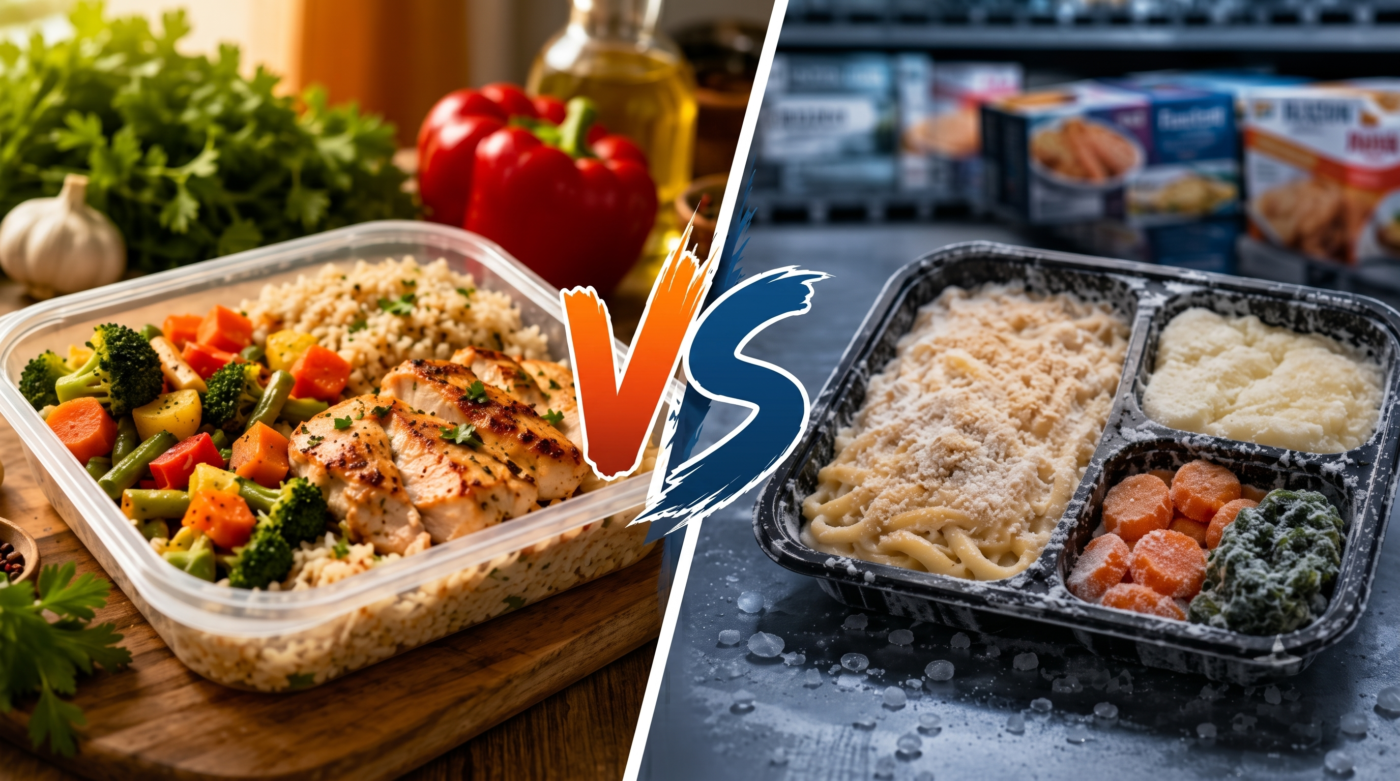
The main problem here is the mixing of completely different categories. Prepackaged foods, such as frozen French fries or desserts, are confused with fresh and healthy frozen meals and vegetables. This is definitely not an appropriate comparison.
The other factor is dated information. Back when the freezing process was still a fairly new technology, some products indeed had too much preservatives added to them. Modern freezing methods have improved dramatically, and now many companies are specializing in natural frozen food.
How Freezing Preserves Food and Nutrients
Actually, freezing is one of the best methods of preserving nutrients. When you freeze your food right after its preparation or harvest, you stop the process of decay and loss of nutrients right away.
In the case of fresh products, there usually is quite a distance from the field to the consumer and several days spent in shops before the product gets to you. During this time, many natural processes can take place, and vitamins such as vitamin C and some B vitamins get degraded.
5 Common Frozen Food Myths vs. Facts
Myth #1: Frozen Food Has No Nutritional Value
Fact: Freezing does not strip food of its nutrients. In many cases, frozen fruits and vegetables retain more vitamins than fresh produce that has been sitting for several days.
Myth #2: Frozen Food Is Loaded with Preservatives
Fact: Freezing itself is a natural preservation method. It doesn’t require added chemicals to keep food safe. Homemade frozen food, in particular, often contains no artificial preservatives at all.
Myth #3: Frozen Food Is Less Safe Than Fresh Food
Fact: When handled correctly, frozen food is very safe to eat. Freezing halts the growth of bacteria, which actually makes frozen food safety more reliable in many cases than food left at room temperature for too long.
Myth #4: Frozen Food Always Tastes Worse
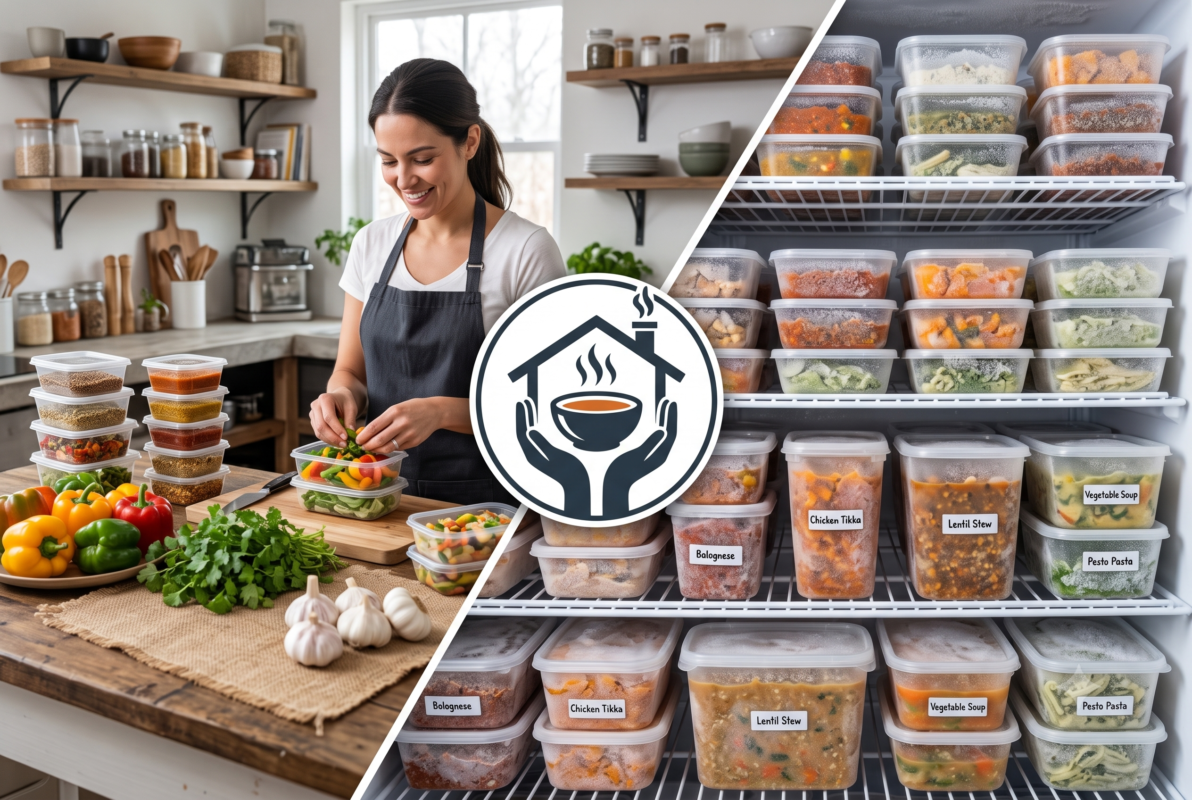
Fact: Taste depends on preparation, not just freezing. Good-quality frozen meals, especially homemade ones, retain flavor and texture well when frozen and reheated properly.
Myth #5: Frozen Food Is Only Junk Food
Fact: Frozen food covers a wide range of options, from healthy frozen meals with lean protein and vegetables to traditional home-cooked dishes. It all depends on what goes into the recipe.
Homemade Frozen Food vs. Commercial Frozen Food
However, not all frozen food is the same. Below is a comparison between home-made and commercially available food:
• Ingredients: Home-made food will use natural ingredients as compared to food containing fillers and additives.
• Freshness: Home made food is frozen right after being cooked.
• Quality: Better control of quality becomes possible due to smaller batches being processed.
• Taste: Homestyle cooking tastes closer to a home-made meal.
• Nutrition: Lack of additives means that home made food provides balanced nutrition.
That’s why many consumers prefer to buy home-made frozen food in Pakistan rather than sticking with only the commercially produced products.
How to Choose Healthy Frozen Meals
Selecting the correct kind of frozen foods is not as difficult as it might seem at first glance. Bear in mind the following useful recommendations when picking the appropriate frozen foods:
1. Take note of the list of ingredients and avoid foods with strange-sounding names.
2. Select those meals that include visible amounts of vegetables, proteins, or whole grains.
3. Beware of foods with an abnormally high amount of added sugars and/or salt.
4. Prefer the foods whose manufacturers provide information about their processing and hygiene procedures.
5. Buy from small local companies rather than from large corporations.
Why Many Families Trust Homemade Frozen Meals
As increasing numbers of people in urban areas such as Lahore seek convenient but healthy food options, there has been an increase in the popularity of homemade frozen foods. It is true that busy lives do not give anyone enough time to cook each day, but it does not necessarily mean that people are ready to make any compromise on the food quality.
In this context, it is easy to see how Ashraz Kitchen plays an important role. As a provider of homemade frozen food, which pays much attention to hygiene, freshness of ingredients and proper preparation of food products, Ashraz Kitchen helps to fill the gap between homemade food and food that is overly processed.
The secret is to choose homemade frozen food wisely.
Conclusion
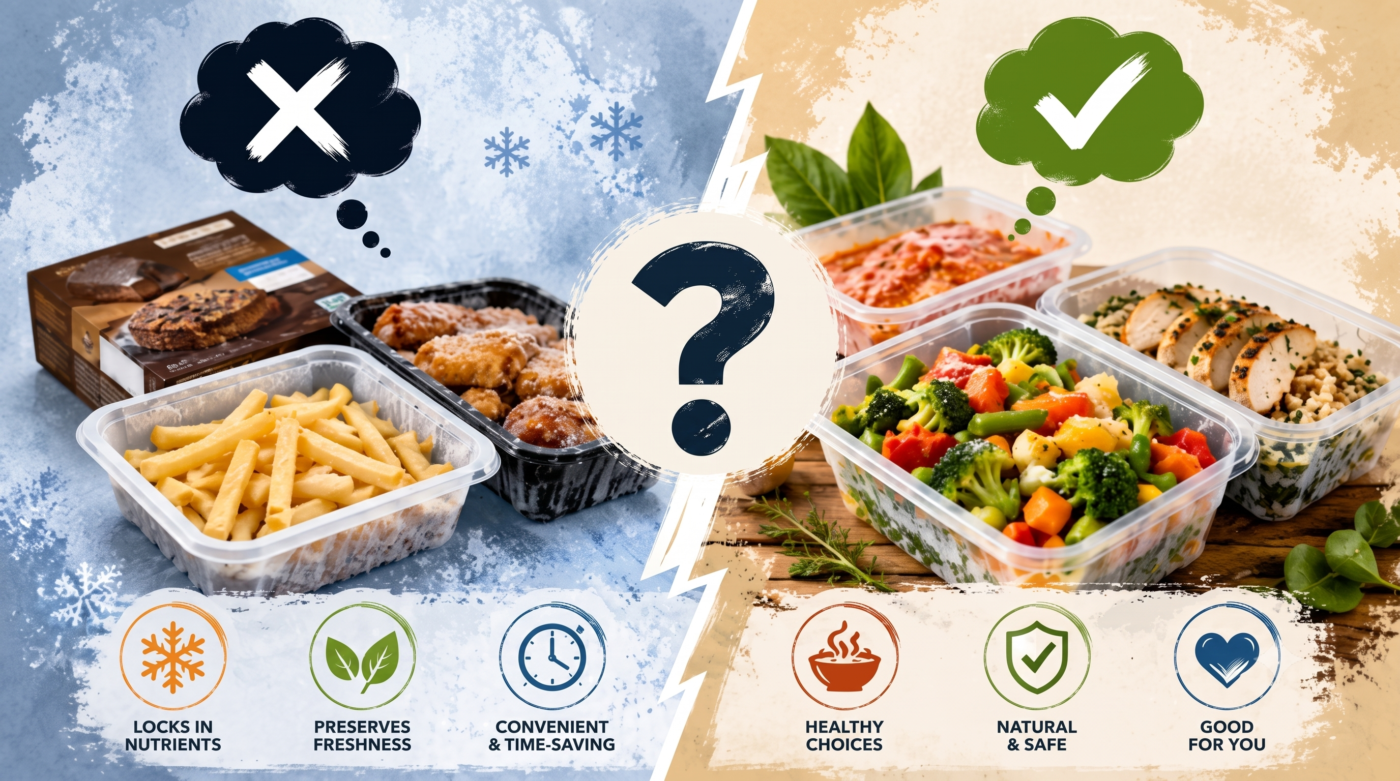
So, is frozen food healthy? From the information above, the answer is definitely a yes, but if the right steps are taken. There are many frozen food myths that exist due to old information or even comparison with unhealthy food products.
With knowledge of frozen food facts and selecting high-quality ingredients to make your own food products, you can have convenience meals that will not affect your health. The next time you open your fridge, you’ll be assured of making healthy choices.
Frequently Asked Questions
Is frozen food healthy?
Yes, frozen food is very healthy if it is made from good-quality raw materials and quickly frozen after the preparation process.
Does freezing kill nutrients?
No, freezing doesn’t kill any nutrients. On the contrary, it preserves some vitamins and minerals that otherwise would have decomposed.
Is frozen home-made food healthier?
Yes, it is, as it normally doesn’t include any additives and consists of natural ingredients.
Can frozen food be included in a healthy diet?
Definitely, since frozen fruits, vegetables and home-made meals can easily become a part of a balanced diet.
Is frozen food good for children?
Yes, it is, but only if it is correctly frozen and thawed.