7 Signs You’re Buying Safe and Hygienic Frozen Food: A Smart Buyer’s Guide
You go to your freezer, take out a bag of frozen chicken nuggets or vegetables, and begin preparing your meal. But have you ever thought about whether the bag you just took is actually safe for consumption?
Frozen foods might seem convenient and safe. However, improper storage, damaged packages, and expired goods may secretly endanger the health of your family members. Food poisoning never comes with a label; it manifests itself much later in the form of stomachache and fever.
The good news is that being a food scientist is not necessary to safeguard your family from potential threats. What is necessary is to know the basic characteristics of frozen food safety. This guide will show you how to identify 7 signs of hygienically sound frozen food.
Why Frozen Food Safety Actually Matters
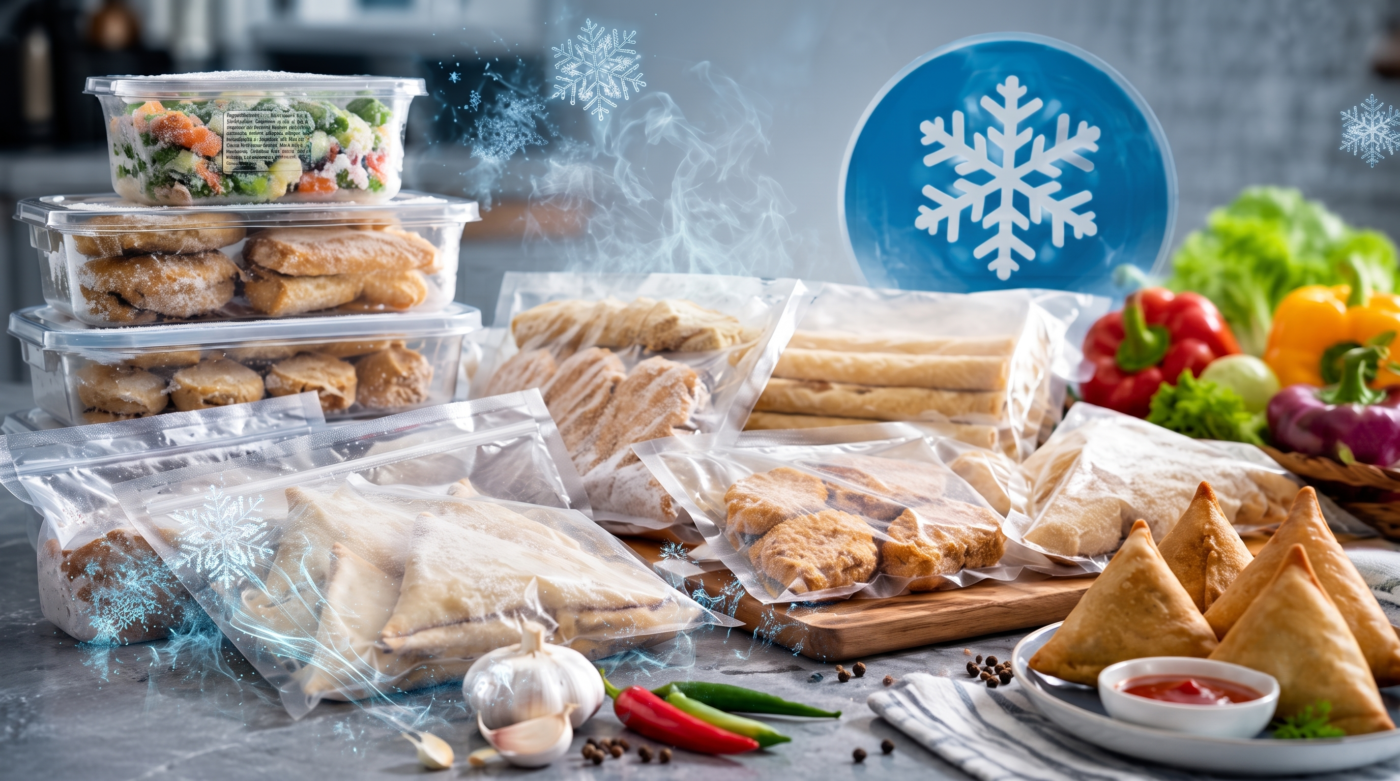
Freezing doesn’t kill bacteria — it only slows them down. If food wasn’t handled properly before freezing, or if it thaws and refreezes during transport, harmful bacteria can multiply again once it reaches your kitchen.
That’s why the way frozen food is packaged, stored, and sold matters just as much as the ingredients inside it.
1. Proper Packaging With No Signs of Damage
Package integrity is your primary defense mechanism.
• Choose packages that are properly sealed and free from any tears, punctures, and leaks.
• Avoid packages that are soft and have frost inside them.
• Frost or ice crystals inside the package usually indicate that the product was previously frozen and then thawed – an alarmingly important indicator.
Tearing or opening the packaging makes food vulnerable to bacteria and moisture, leading to faster spoilage despite keeping it in your freezer.
Press the package gently. It should be rock hard.
2. Clear Expiry and Manufacturing Dates
Always check the date before purchasing any frozen food products; one simple practice will keep you away from many hassles.
• It is necessary to check both manufacturing and expiration dates.
• Avoid foods that have faded, missing, or changed dates.
• Prefer to purchase products which have the longest shelf-life left, particularly in case of bulk purchases.
Responsible manufacturers of frozen foods always mention this on the product packaging according to the guidelines of food safety.
3. Maintained at the Right Freezing Temperature
Temperature regulation is the key to safe and hygienic frozen food.
Frozen food needs to be kept at -18°C (0°F) or below throughout the entire chain of storage – from the manufacturing plant to the store freezer and even your own freezer at home. If the store’s freezer is not cold enough or its door stays open too often, then the food will be jeopardized.
• Check if the store’s freezer seems warm or has visible condensation.
• Never purchase food from overstocked freezers as it blocks air circulation.
• The presence of liquid at the bottom of the freezer is a bad sign.
4. Hygiene Standards at the Point of Sale
The location from which you buy your frozen food is as important as what you buy.
• Buy your frozen food from stores or suppliers who ensure that their freezers are clean and organized.
• The store staff must take care when handling the products, and not throw them about haphazardly.
• The store must maintain a cold chain by ensuring that the products remain frozen from delivery to the point at which they are on sale.
5. Trustworthy Brand or Supplier Reputation
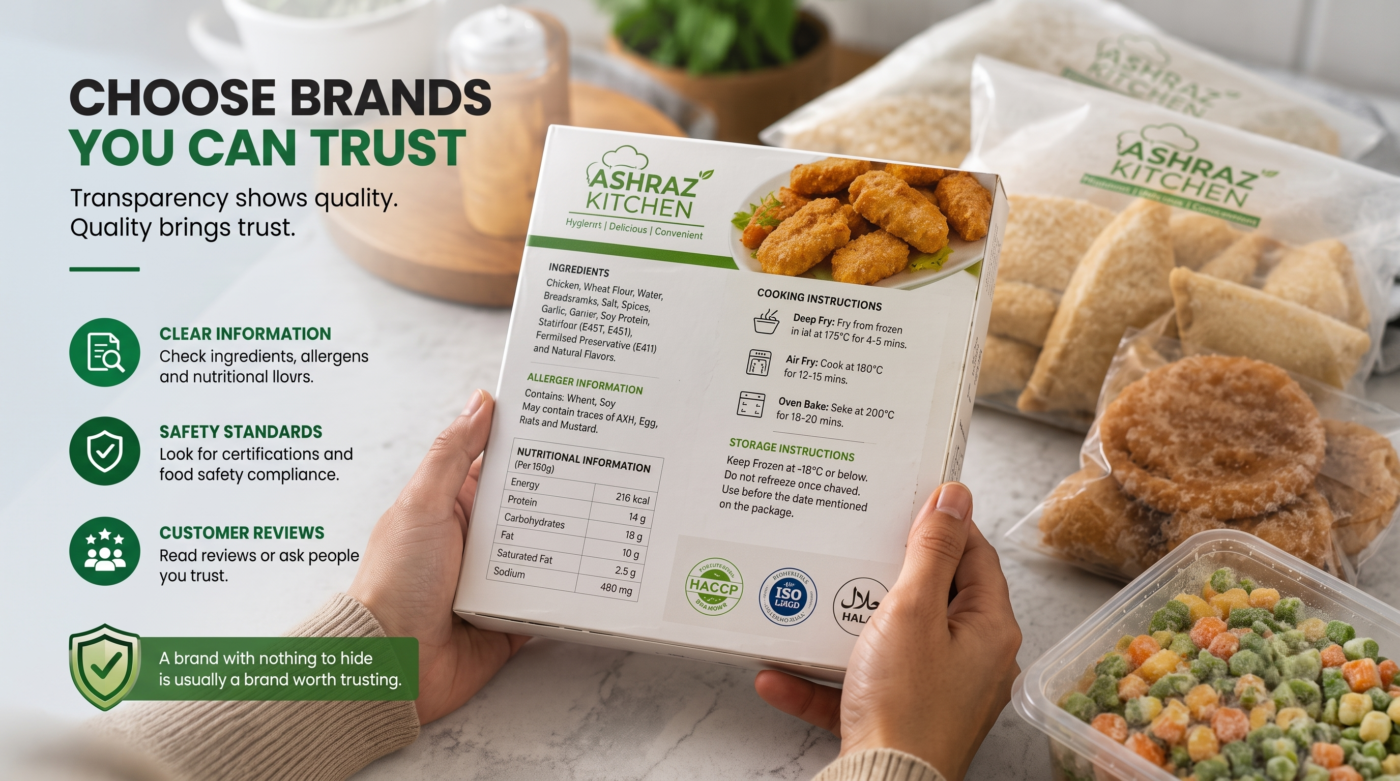
All frozen food companies do not have the same standards. Identify suppliers who are open in terms of how they source, prepare, and package their food products.
• See whether the brand provides the ingredients used, any allergens and nutritional details.
• Check if there are any certificates from recognized food safety organizations.
• Go through customer reviews, and also take advice from others.
A company that does not hide anything is most likely going to be reliable.
6. No Unusual Smell, Color, or Texture After Thawing
When you return home and start defrosting the food, your senses become an excellent safety net.
• The scent of fresh frozen food must be odorless rather than sour or unpleasant.
• The color should be natural and not altered or unusually pale.
• The texture of the food needs to be firm and not slimy or mushy.
7. Proper Storage Instructions Are Provided
Packaging of reliable frozen food should have information about storing and cooking them safely.
• Read about storage temperature, cooking time, and reheating procedures on the package.
• Learn from the package when to consume the content by after opening it.
• Do not refreeze the thawed food.
The small piece of information illustrates the concern of the brand about what will happen to their product later.
Comparison Table: Safe vs. Risky Frozen Food
| Feature | Safe Frozen Food | Risky Frozen Food |
| Packaging | Sealed, no tears, no frost | Torn, soft, or frosty |
| Expiry Date | Clear and valid | Faded or missing |
| Storage Temp | -18°C or below | Warm or inconsistent |
| Smell After Thawing | Neutral | Sour or off |
| Texture | Firm | Slimy or mushy |
| Brand Transparency | Full ingredient list | Vague labeling |
| Storage Instructions | Clearly printed | Missing or unclear |
Practical Tips for Buying Frozen Food in Pakistan
- Shop during cooler parts of the day when possible, especially in summer.
- Carry an insulated bag if you have a long journey home.
- Place frozen items in your freezer within 30 minutes of purchase.
- Buy from suppliers known for consistent cold chain practices, like Ashraz Kitchen, which focuses on proper packaging and hygienic handling for everyday frozen food needs.
Conclusion
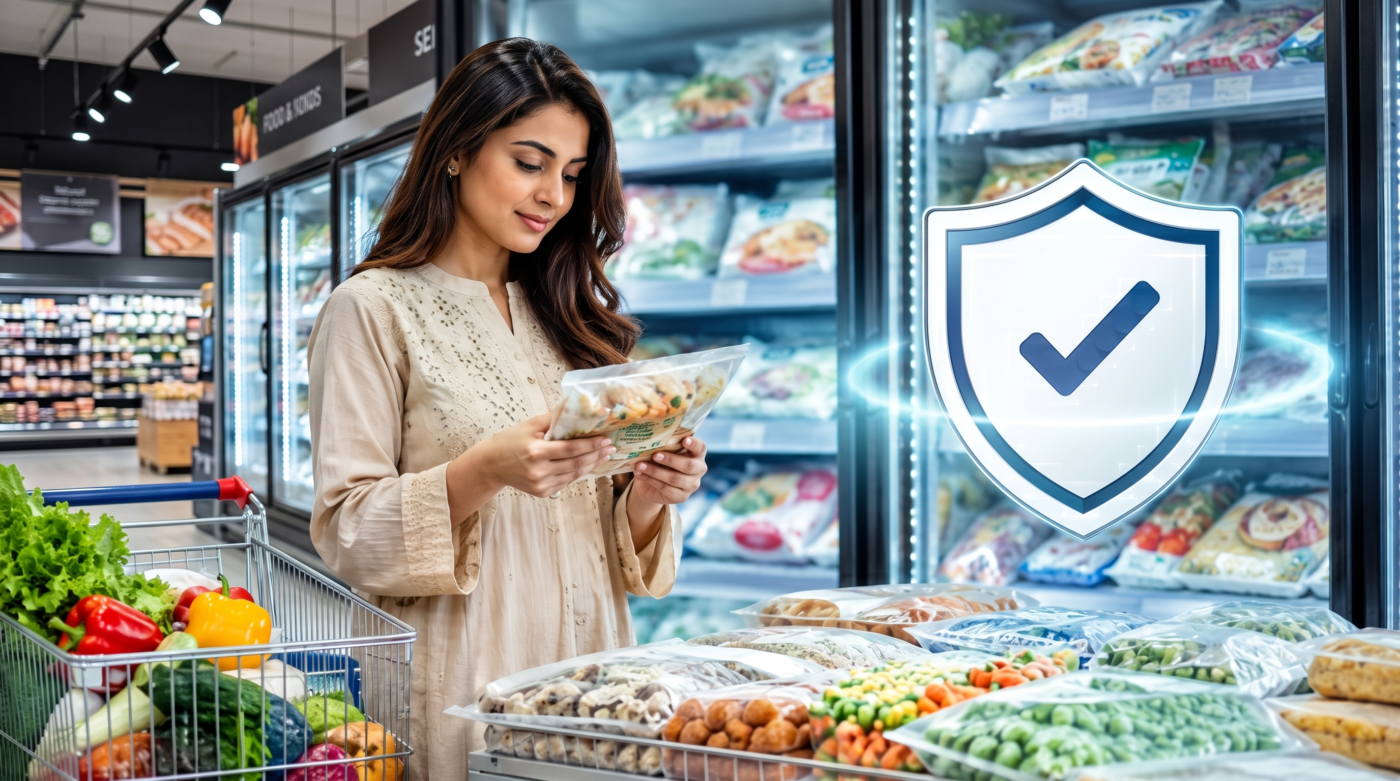
Shopping for frozen food need not be an act of chance. When you know the things that matter, such as packaging, dates, temperature, hygiene, and smell, then you will no longer fear shopping.
A few moments spent inspecting food before purchase can mean a lot when it comes to what your family consumes. This is why whenever you go shopping, try spending some additional time looking. It pays to be careful.
Frequently Asked Questions
1. What is the ideal freezing temperature for frozen food?
Frozen food should be stored at -18°C (0°F) or below to stay safe for consumption.
2. How can I tell if frozen food has been thawed and refrozen?
Look for ice crystals, frost inside the packaging, or a soft, uneven texture — these are common signs of thawing and refreezing.
3. Is it safe to eat frozen food after the expiry date?
No, it’s best to avoid consuming frozen food past its expiry date, as quality and safety can no longer be guaranteed.
4. How long can I keep frozen food in my home freezer?
This varies by product, but most frozen foods are best consumed within the timeframe mentioned on the packaging, generally a few months for optimal quality.
5. Can I refreeze frozen food once it has thawed?
It’s generally not recommended, as refreezing can affect texture, taste, and safety.